How to Future-Proof Your Content Strategy in the Age of AI and Hybrid Search
Introduction: From Keywords to Conversations
Back in 2010, an effective SEO content strategy was simple: pick high-volume keywords, stuff them into blog posts, and watch your rankings climb. Fast forward to 2026, and the landscape has dramatically transformed. Search engines are no longer just matching queries with content—they’re interpreting intent, evaluating topical authority, and even conversing with users in real-time.
The rise of AI-driven search engines like Google’s Search Generative Experience (SGE), Perplexity AI, and ChatGPT’s web browsing model has rewritten the rules of SEO. To stay relevant, content marketers must now build for both traditional and AI search ecosystems—which means deeper strategy, smarter structures, and a future-proofed content mindset.
In this post, we’ll explore how the SEO content game has changed, what new tactics are emerging, and how you can align your content strategy with what works now and next.
How SEO Content Strategy Has Evolved
Let’s begin with a side-by-side comparison of how things have changed:
| Before (2010–2020) | Now (2024–2026 and beyond) |
| Keyword density-driven writing | Semantic, intent-based content creation |
| Focus on 500-800 word blog posts | In-depth, long-form content + short-form snackables |
| Targeting one keyword per page | Topical clusters, entities, and topic modeling |
| Google is the main traffic source | Multi-platform: Google, ChatGPT, Perplexity, YouTube, TikTok |
| Backlinks = authority | Authority = content quality + EEAT + citations |
| Blog-only content formats | Multimedia: video, audio, carousels, and conversational AI |
Why the Change? Major Drivers Shaping the 2026 SEO Landscape
1. AI Generative Search Experiences (SGE)
Google’s SGE blends AI-generated answers into SERPs. Rather than 10 blue links, users now get AI summaries synthesized from trusted content.
Example: A search for “best content strategy for SaaS” might return an AI snippet pulling highlights from 3 authoritative SaaS blogs—not your individual blog post.
2. Rise of AI Co-Pilots
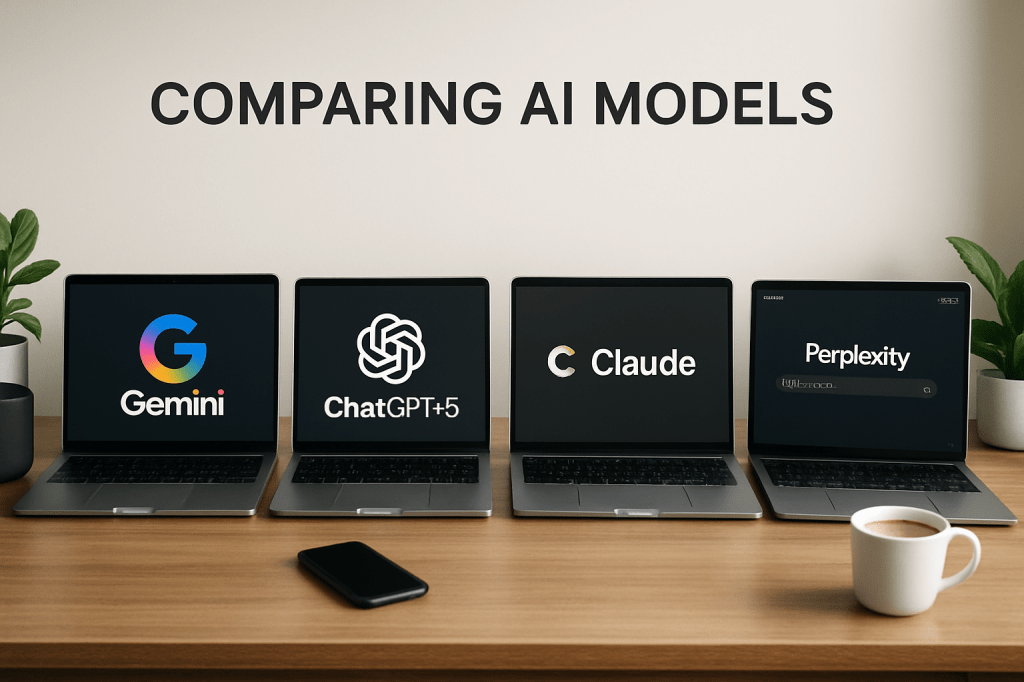
Tools like Perplexity AI, ChatGPT, Claude, and Gemini act as AI researchers, summarizing and citing sources. If your content isn’t structured and factual, you’ll be bypassed.
Stat: According to SparkToro’s 2025 Zero-Click Report, 65% of search traffic is now zero-click, thanks to AI summaries and featured answers.
3. EEAT (Experience, Expertise, Authoritativeness, Trustworthiness)
Google continues to reward sites that show authentic expertise, such as content written by professionals, with real-world proof, citations, and bylines.
What’s Required Now: Content Strategy for 2026 and Beyond
To compete in this AI-driven hybrid search world, marketers must evolve their content strategies.
1. Build Topical Authority, Not Just Pages
In 2026, content is judged by its depth across a topic—not just how well a single page ranks.
Action Tip:
Create topic clusters using the hub-and-spoke model.
Example: If your agency targets “eCommerce SEO,” your cluster might include:
- Hub: Ultimate Guide to eCommerce SEO in 2026
- Spokes: Product Page SEO, Shopify Optimization, International SEO for eComm, Schema for eComm, etc.
Use internal linking and semantic markup to strengthen the web of content.
2. Write for AI Models as Readers
AI models (ChatGPT, Gemini, Claude) now scrape and summarize content. Structure yours to be AI-friendly:
- Use clear H1–H4 headers
- Keep paragraphs under 60 words
- Include data, citations, stats, and dates
- Add FAQ and TL;DR sections
Example: Perplexity will prioritize content with bullet points, summarized facts, and cited sources.
3. Double Down on Factual & First-Hand Content
AI models hallucinate. That’s why they prefer content that’s verifiable and original.
Do this:
- Add original data (surveys, charts)
- Include author bios with credentials
- Mention tools used and processes followed
- Cite primary sources with links
Example: If you’re writing about “SEO for local clinics,” show your results for a dental client with local SEO tactics and Google Business Profile data.
4. Optimize for AI Search, Not Just Google SERP
To appear in tools like ChatGPT, your content must be crawlable and cited by authoritative pages or linked in public databases (e.g., Wikipedia, niche directories, or Github).
Steps to take:
- Get cited in niche blogs and resource hubs
- Add your site to trusted AI-accessible APIs
- Create well-structured HTML with schema markup
Case Study: HubSpot integrated structured data across all its blog posts. Result: Featured in over 75% of ChatGPT citations for sales enablement queries.
5. Focus on Real-Time Content Refresh and Temporal Relevance
Fresh content signals have gained weight. AI engines like Perplexity check for publication dates and updated timestamps.
Do this:
- Regularly update cornerstone content (quarterly)
- Use “Updated on” meta tags
- Highlight what’s new in 2026 within content titles
Example: “SEO Strategy Guide (Updated for 2026)” will perform better in AI search snippets vs. evergreen titles.
6. Experiment with Conversational and Interactive Content
With AI assistants now conversing with users, content must anticipate follow-up questions and interactive UX.
Innovate with:
- Conversational tone
- Expandable FAQs
- Embedded chatbots or video explainers
- AI-ready schemas like speakable, HowTo, and Q&A
Bonus: Google’s AI Overviews are starting to pull from content that answers questions like a human would, not just keyword matches.
Content Formats That Dominate in 2026
Not all content is created equal anymore. Here’s what works best:
| Content Format | Why It Works |
| Long-form guides (2,000–4,000 words) | High semantic depth, ideal for topical authority |
| Short-form explainers (300–600 words) | Snackable content picked up by AI search assistants |
| Infographics & Charts | Used as citations by AI models and bloggers |
| Videos with transcripts | Rank in YouTube + appear in ChatGPT’s browsing and Gemini responses |
| Podcast episodes with show notes | Help with EEAT; offer authentic, first-hand insights |
| Data-backed listicles | Favored by SGE and Bing Chat for featured lists |
Tools You Need to Future-Proof Your SEO Content Strategy
- SurferSEO + Jasper + ChatGPT-4o
For AI-optimized drafting and SERP simulation - MarketMuse or Clearscope
For content scoring and semantic gap analysis - Frase.io + Perplexity Plugin
For building content briefs based on AI search queries - WordLift or SchemaApp
For advanced schema markups, including FAQ, Q&A, Speakable, and HowTo - ContentKing or ScreamingFrog
For real-time monitoring of outdated content or crawling issues
Final Thoughts: What Content Marketers Must Do in 2026 and Beyond
In 2026, your content isn’t just competing for clicks—it’s competing to be cited by AI, to start a conversation, and to build trust over time.
If you’re still thinking in terms of keywords and traffic alone, you’re playing yesterday’s game.
Instead:
- Think topical depth, not just page count
- Serve humans AND machines
- Stay fact-based, structured, and updated
- Treat AI engines like new search frontiers
- Mix formats: written, visual, conversational
Winning Content Strategy in 2026
- Create topic clusters to build authority
- Structure content clearly for AI readers (H2s, bullets, schema)
- Keep content fresh, add “last updated” dates
- Cite sources and use data—AI rewards facts
- Publish in multiple formats to broaden visibility
- Target SGE, ChatGPT, and Perplexity, not just Google





 Sushil Kumar
Leave a reply to Search Marketing Strategy That Works Even as Formats and Surfaces Evolve – Sushil Kumar Cancel reply