
Introduction: Why 2026 Is the Breakthrough Year for Digital Marketing
Digital marketing is transforming faster than ever. In 2026, the industry isn’t just adopting new digital marketing tools; it’s reinventing how visibility, authority, and customer engagement work in an AI-driven world. From Answer Engines to zero-click behavior, personalization at scale, and multi-modal to multichannel discovery, the rules are redefining success in digital.
In this blog post, i’ll walk you through the major trends shaping digital marketing in 2026, backed by industry data, case studies, and practical examples you can apply. I’ll cover the followings:
- AI-powered search and SEO evolution (AEO & GEO)
- Content strategy shifts
- Emerging formats like video and conversational interfaces
- First-party data & privacy
- Personalization and community-led growth
Whether you’re a digital marketer, founder, or SEO specialist, this is your complete goto guide for planning digital marketing for 2026.
1. AI-Powered Search Will Be the Default: From SEO to AEO & GEO
1.1. Search Is No Longer About Clicks and It’s All About Answers
The biggest shift of 2026 isn’t incremental – It’s transformational:
Traditional SEO (ranking for clicks on SERPs) is giving way to Answer Engine Optimization (AEO) and Generative Engine Optimization (GEO).
In an AI-first search ecosystem:
- Google’s Search Generative Experience (SGE) and AI Overview Panels are replacing blue links.
- Users frequently get the answers they need without clicking through to a website.
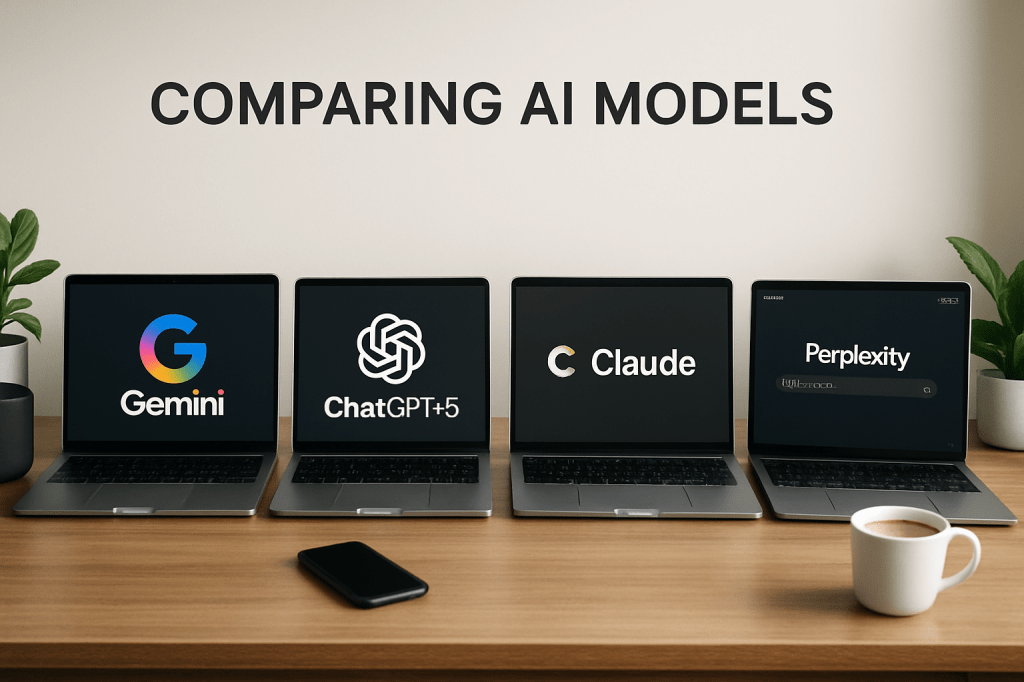
- AI search interfaces (ChatGPT, Gemini, Perplexity, Claude) synthesize content and provide immediate answers.
This is significant because brand visibility now means being cited in AI-generated responses, not just ranking on the first page.
1.2. Zero-Click Searches Are Becoming the New Normal Now
Industry data shows organic click-through rates (CTR) are declining as AI answers satisfy user intent directly:
- AI Overviews on some queries reduced clicks by an estimated 18–30%.
- Estimates suggest up to 60% of searches now end without a destination click.
So, instead of tracking ranking positions, future visibility metrics will include:
- Citation frequency across AI search tools
- Presence in conversational search results
- Voice assistant triggers
- Featured answer snippets across platforms
Actionable Tip: Structure your content for AI extractability, short (2 to 3 lines), accurate answers, structured data, and entity-rich pages help models pull your content directly into AI responses.
2. Content Strategy: From Keywords to Entities, Intent, and Topical Authority
2.1. Semantic SEO & Intent-First Content Has Become More Crucial Now
Keywords no longer rule. In 2026, semantic understanding and user intent rule the digital landscape.
Search engines and AI models increasingly evaluate:
- User intent (Why is the user searching?)
- Semantic meaning (What is the user trying to solve?)
- Topical authority (How expertly does the content address the topic?)
This means content must:
- Answer multiple related questions in a topic cluster
- Feature entities (people, brands, concepts) for AI context
- Be designed for machine understanding (structured data, schema)
Example: Instead of writing “SEO trends,” optimize for “AI search behavior and SEO evolution in 2026,” covering related sub-topics such as AIO, AEO, GEO, voice search, and structured data.
2.2. E-E-A-T Becomes Central to Search & AI Trust
Google and AI search systems reward content with high Experience, Expertise, Authoritativeness, and Trustworthiness (E-E-A-T).
To satisfy this:
- Include expert quotes or insights (real human context)
- Use case studies and citations
- Display author credentials and recent update dates
- Connect your content to trusted sources
Practical Edge: Studies show content with verified expert insight performs better in AI citations than generic, unstructured text.
3. Video SEO: The Era of Search Meets Short-Form Video
3.1. Video Isn’t Optional, It’s Central to Search Visibility
According to recent guides, video will dominate user attention in 2026. Platforms like Google, Instagram, TikTok, and YouTube are integrating video content directly into search.
Key points:
- Short-form content (Reels, Shorts) is being indexed and shown in search results.
- Video metadata, captions, thumbnails, and topic relevance are now SEO ranking signals.
- Text and visual content complement video for comprehensive topical coverage.
Example: A blog post on “SEO trends 2026” should include a 45–90 sec branded Reel + embedded YouTube video with structured video schema markup. This increases your chance of appearing in AI search summaries across platforms.
4. Voice & Visual Search Optimization
Voice assistants and image search are mainstream:
- Comscore projects up to 50% of searches will be voice or image-based by 2026.
This shift influences:
- Conversational keyword targeting (“How to optimize content for AI?”)
- FAQ sections for natural language
- Image alt text and metadata
- Structured visual content for AI indexing
Actionable Tip: Include FAQ blocks and conversation-style subheadings to capture voice and visual search queries.
5. First-Party Data & Privacy-First Marketing
5.1. Cookies Are Dead and Now First-Party Data Is King
With third-party cookies fading, marketers must rely on first-party and zero-party data:
- Collect through polls, quizzes, gated content, and customer interactions.
- Consent-based tracking (email, SMS, CRM) becomes foundational.
- Personalized experiences now depend on unified data layers.
Example: Use behavior-triggered email content (welcome flows, abandoned cart reminders, preference tagging) that aligns with user intent and lifecycle.
6. Personalization & Predictive AI Analytics
6.1. Hyper-Personalization at Scale
By 2026, marketing personalization will be real-time and predictive:
- Behavioral data predicts purchase windows
- AI delivers tailored content dynamically
- Personalized landing pages adjust per segment
Example: A returning visitor may see a custom hero banner with content based on their previous session behavior, this directly increases conversion likelihood.
6.2. Predictive Analytics
Analysts project that 60% of digital campaigns in 2026 will rely on AI predictive analytics to anticipate purchase intent and optimize spend.
This enables smarter decision-making:
- Ad budget optimization
- Personalized content delivery
- Predictive segmentation
7. Community-Led Growth & User-Generated Content (UGC)
7.1. Communities over Followers
Community-led growth is now a key differentiator. Brands that invest in:
- Telegram/WhatsApp groups
- Private forums
- Discord communities
- Instagram/LinkedIn conversations
…drive deeper engagement and loyalty than simple follower counts. Now marketer should focus more on engagement driven marketing strategies and instead of considering number of followers.
7.2. UGC as a Trust Signal
AI search systems increasingly rely on real user signals i.e. Google reviews, real testimonials, post-interaction data to determine credibility and context.
Example: Feature customer stories, review summaries, and testimonials prominently on landing pages with structured markup to boost AEO/GEO visibility.
8. AI-Powered Automation & Smart Campaigns
8.1. Autonomous Marketing with AI
AI isn’t just a tool, it’s now a strategic campaign executor:
- AI determines content topics, creates drafts, tests creatives
- Self-learning models optimize budgets and ad delivery in real time when you are running paid media campaigns
- AI flags performance trends and pivots strategy autonomously
Marketers transition from operators to AI supervisors and strategic decision-makers.
8.2. Smart Bidding and Targeting
AI systems will refine ad performance by:
- Predicting user intent
- Adjusting bids per micro-moment
- Automating creatives per audience segment
This reduces wasted spend and increases ROI.
9. Multichannel Discovery & “Search Everywhere Optimization”
2026 users don’t just search on Google. They search:
- ChatGPT and AI bots
- Social platforms (YouTube, Facebook, TikTok, Instagram)
- Community forums (Reddit, Quora, Discord)
- Voice devices (Alexa, Siri)
This shift requires Search Everywhere Optimization marketing strategy, content optimized not only for Google, but also for ChatGPT, Gemini, Perplexity, social search, and community discovery.
Actionable Checklist:
- Distribute content across platforms
- Optimize for conversational search
- Include internal links with topic depth
- Use structured data + rich snippets
- Track visibility across AI and traditional search reports
10. Measuring Success in 2026: KPIs Beyond Clicks
If search behavior changes, so too must performance metrics. Instead of:
- Page views and traditional rankings…marketers should measure the following in content of AI Brand visibility:
- AI citation share (frequency in AI responses)
- Share of voice
- Sentiment analysis
- AI visibility score
- Number of sources mentioning the citations
- Brand visibility in answer engines
- Voice assistant triggers
- Engagement quality (saves, shares, comments)
- Conversion attribution across touch points
This means aligning SEO and analytics with AI visibility platforms alongside traditional tools like GA4 and Search Console.
11. Agentic SEO – AI tools will be used for execution and human will do the supervision to ensure the desired outcomes
Agentic SEO is the next wave of search optimization where autonomous AI agents perform complex SEO tasks or digital marketing tasks i.e. content creation, keyword analysis, website audit, technical fixes, analytic reporting, and link building, independently, moving beyond simple automation to proactively strategize and execute workflows with minimal human input, shifting focus from human-driven searches to optimizing for AI agents that complete user goals.
Here are some key aspects of Agentic SEO –
Autonomous Agents – AI agents work independently, analyzing data and executing strategies for tasks like content creation, keyword research, technical audits, and link building.
Workflow Automation – Creates chains of tasks (data gathering, analysis, action, validation) that agents manage end-to-end, rather than requiring step-by-step human prompting.
Data-Driven Decisions – Uses vast amounts of real-time data to identify trends, analyze competitors, and adjust strategies automatically.
Proactive & Adaptive – Continuously monitors performance, detects issues, and adapts to algorithm changes faster than traditional methods.
Human will just supervise the tasks completed by the AI agents so that error chances can be avoided.
Conclusion: The Future Is AI-Native, Intent-Driven & Human-Centered
2026 will be a year of:
- AI-first search experiences
- Answer & generative engine optimization (AEO & GEO)
- Semantic content architecture
- Personalization powered by real data
- Video & voice search optimization
- Community and UGC as core growth engines
To succeed, you must embrace change while staying grounded in solid digital marketing fundamentals, clear strategy, structured content, user intent analysis, and authentic brand authority.
Digital marketing in 2026 isn’t about doing more, it’s about doing smarter. Post a comment if you have any questions or queries about digital marketing strategy and planning 2026, I will be more than happy to answer you.





 Sushil Kumar
Leave a comment